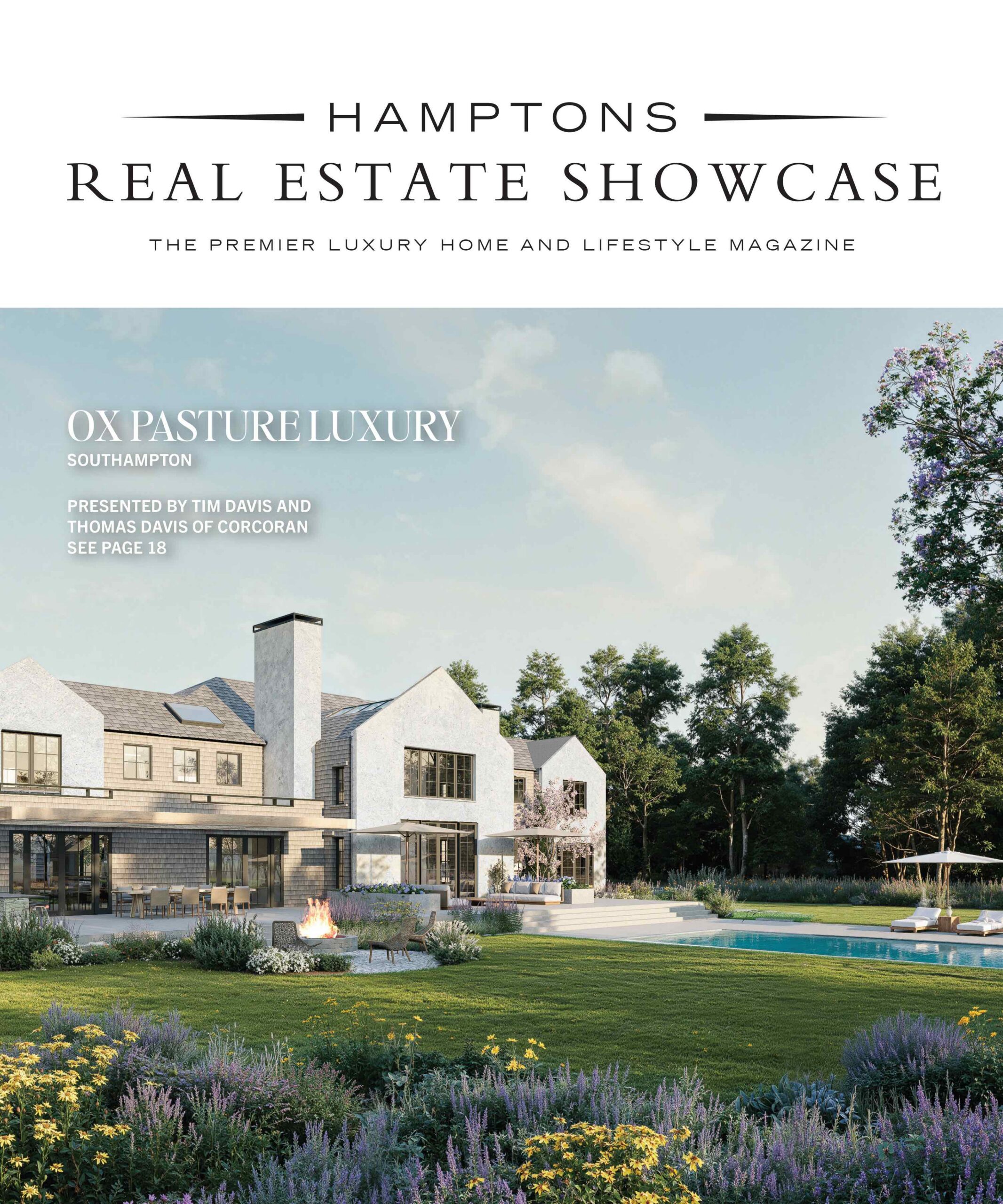
The Evolved, Understated Aesthetic that Follows the Farmhouse
For nearly a decade, modern farmhouse style held a firm grip on American interiors. Its shiplap walls, reclaimed woods and black iron accents offer a comforting counterpoint to the cool minimalism that preceded it. “Farmhouse style is rooted in a humble, unfussy design aesthetic that prioritizes comfort, function and approachability,” says Hillary Cohen, principal and founder of HCO Interiors.
Popularized in the mid-2010s through social media and shows like “Fixer Upper,” it resonated deeply at a time when homeowners were craving warmth, familiarity and spaces that felt personal rather than pristine. But ubiquity has a way of dulling even the most treasured ideas. As apron-front sinks and patinaed finishes were replicated over and over, the charm that once felt authentic began to feel formulaic. “What once felt charming started to feel predictable,” notes designer Kerith Flynn, founder of Margali & Flynn Designs.
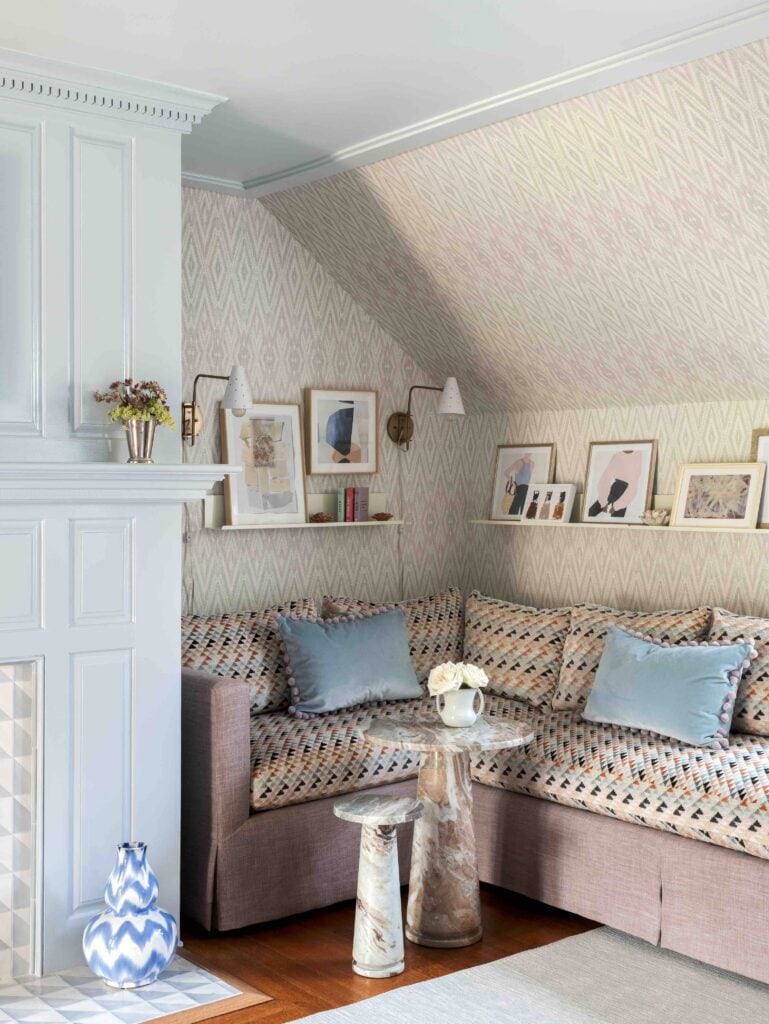
Today, designers are signaling a shift toward a subtler expression of comfort. The next chapter favors texture over tropes: plaster walls, limewash finishes and artisan-crafted details that bring depth without leaning heavily into nostalgia. It’s a quieter, more refined evolution that honors the spirit of farmhouse living while moving beyond its most recognizable clichés.
The Rise of Quiet Warmth
If farmhouse design was about comfort made visible, the next chapter is about comfort made subtle. Designers describe a shift toward interiors that feel warm and inviting, yet cleaner, calmer and more intentional.
“The shift toward warmer interiors is here to stay, but it is evolving,” Cohen explains. “Warmth is now being expressed through a more refined, modern point of view, with less emphasis on a defined theme and more focus on proportion, materiality and craftsmanship.”
Rather than overt rustic gestures, today’s spaces rely on texture, restraint and layered detail. “What I am seeing now is not a sharp turn away from warmth, but a more refined and layered approach to it,” adds Kerith Flynn.
Plaster walls, limewash finishes and hand-troweled surfaces introduce depth, while natural stone, softly grained woods and custom millwork lend a sense of quiet luxury. Sculptural lighting and restrained palettes complete the look, creating interiors designed less around a trend, and more around how they feel to inhabit every day.
Defining the Next Look
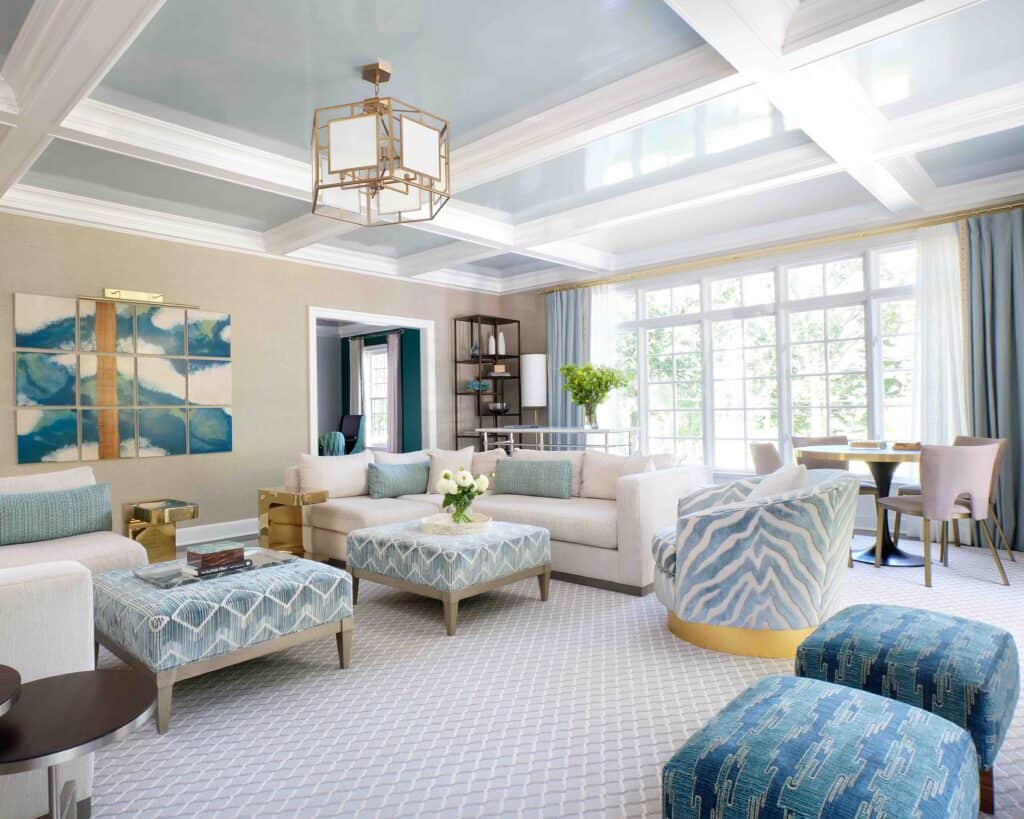
At its core, this emerging aesthetic is about minimalism with depth — spaces that feel rich and warm without visual excess. Designers are favoring sculptural, softly rounded furniture, tactile surfaces and a disciplined approach to layering. “Restraint, authenticity and texture are at the heart of this shift,” says Flynn, noting that plaster walls, oak, linen and stone are being used for their inherent beauty rather than their trend appeal. Color palettes skew tonal and understated, allowing finishes and craftsmanship to create warmth.
Investment-minded choices are also shaping the look.
“Clients are thinking more intentionally about investing in their interiors, moving away from disposable furniture and toward pieces they will enjoy for years to come,” adds Libby Langdon, founder of Libby Langdon Interiors. “Quality, restraint, and craftsmanship signal true luxury.” The result, designers say, is interiors that are particularly well-suited to the Hamptons, where natural light, landscape, and increasingly architectural homes reward softness, clarity and thoughtful restraint.
Beyond the Trend Cycle
As farmhouse fades from the spotlight, what’s taking its place isn’t another neatly labeled style, but a deeper shift in how people think about home. “Clients are becoming less focused on following trends and more concerned with how their homes feel on a daily basis,” Cohen says.
In the Hamptons especially, she notes, there’s a growing desire to design around real life. Rather than chasing what’s new, homeowners are prioritizing intention and livability. “What’s really changing is the mindset,” Langdon agrees. “The future of interiors isn’t about the next big look. It’s about thoughtful design that stands the test of time and makes everyday living feel easy and effortless.”




![Festive flavors, candlelit corners, and winter menus worth the splurge 🍷 This season’s dining scene brings elegant French favorites, seasonal seafood, and cozy classics to the East End table. Whether it’s brunch, dinner, or something in between, these spots are celebrating the holidays in style. [link in bio]](https://hamptonsrealestateshowcase.com/wp-content/uploads/sb-instagram-feed-images/589526657_18551254843030135_4235854489711269175_nfull.webp)
![Space reservations are closing soon for the Holiday / New Year Issue of Hamptons Real Estate Showcase 🎁 This double issue comes with expanded reach, now landing in South Florida as well. Start the new year with premium visibility among luxury homeowners from the Hamptons to Miami. [link in bio]](https://hamptonsrealestateshowcase.com/wp-content/uploads/sb-instagram-feed-images/588642217_18550541596030135_1974828802096238970_nfull.webp)
![Holiday hosting is all about the details 🕯️ This season’s tabletops mix nostalgic charm with fresh touches. Think layered textures, seasonal greens, and flickering candlelight. Whether it’s a quiet dinner or a festive feast, there’s beauty in every setting. [link in bio]](https://hamptonsrealestateshowcase.com/wp-content/uploads/sb-instagram-feed-images/587562593_18550195297030135_5307983913708101790_nfull.webp)
![There’s no shortage of thoughtful, design-forward gifts to discover across the East End this season 🎁 Whether you're shopping for a hostess, a homebody, or someone who simply loves beautiful things, we’ve rounded up a few local finds that are sure to surprise and delight. [link in bio]](https://hamptonsrealestateshowcase.com/wp-content/uploads/sb-instagram-feed-images/587623967_18550040371030135_5392968951052147490_nfull.webp)