The modern kitchen shapes not just how we cook, but how we live — emphasizing connection, continuity, and a return to natural beauty
Of all the rooms in the home, none takes center stage like the kitchen. What was once a humble scullery has become a showcase where would-be chefs can install the appliances and features of their dreams, families can gather for multi uses and guests can congregate over canapes and cocktails.
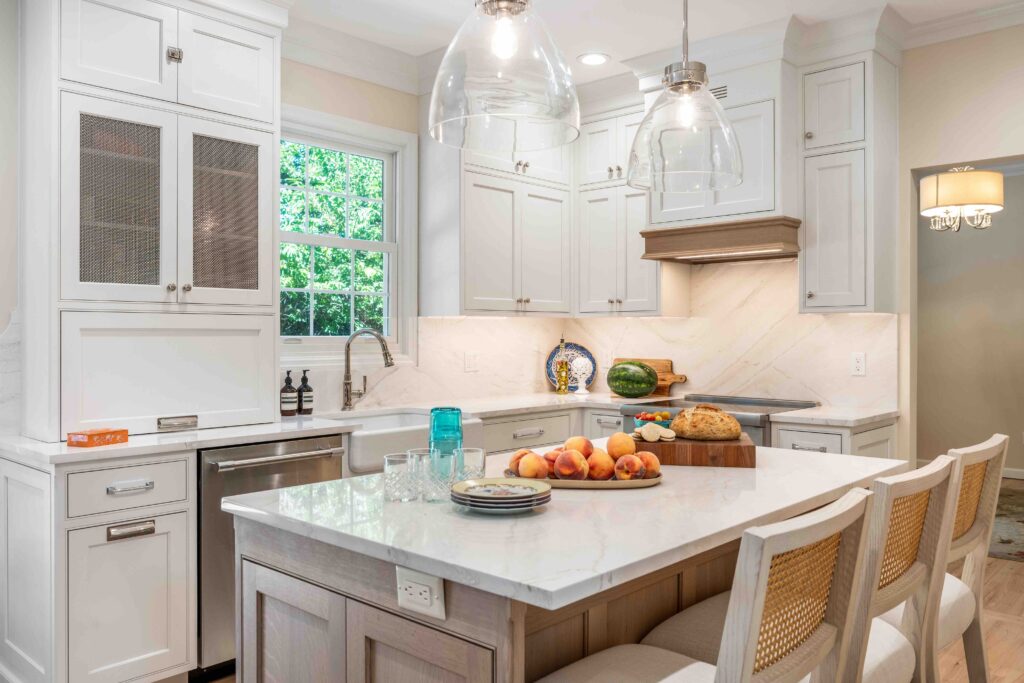
“Design decisions made in the kitchen now ripple through the rest of the home, shaping a unified aesthetic and lifestyle,” says the National Kitchen and Bath Association (NKBA), a trade organization, in its annual trend report. The recently released 2026 version notes 11 core themes driving design, which include spaces for socializing, gathering and connection; whole home continuity, and organic and earthy aesthetics.
Jeannine Price, owner of Redbarn DesignWorks Group in Center Moriches and president elect of NKBA’s Manhattan chapter, says customization to people’s lifestyles is a key component of the kitchen.
“Our industry in changing where furniture and kitchen design are coming together,” she says. “It’s the hub of the home and you’re seeing additional work and enjoyment zones in the area – a dedicated place for coffee or work and larger islands for gathering.” Increasingly, open formats now include family rooms adjacent to the kitchen where people can enjoy snacks or light meals while watching television—all within sight of the fridge.
No one size fits all
“I don’t think there is a rule of what you should or should not do, especially if you are a chef or like to cook,” says Fabiola Bacelar Lwow, director/owner of Ornare Southampton, a Brazilian design company with a showroom in Southampton.
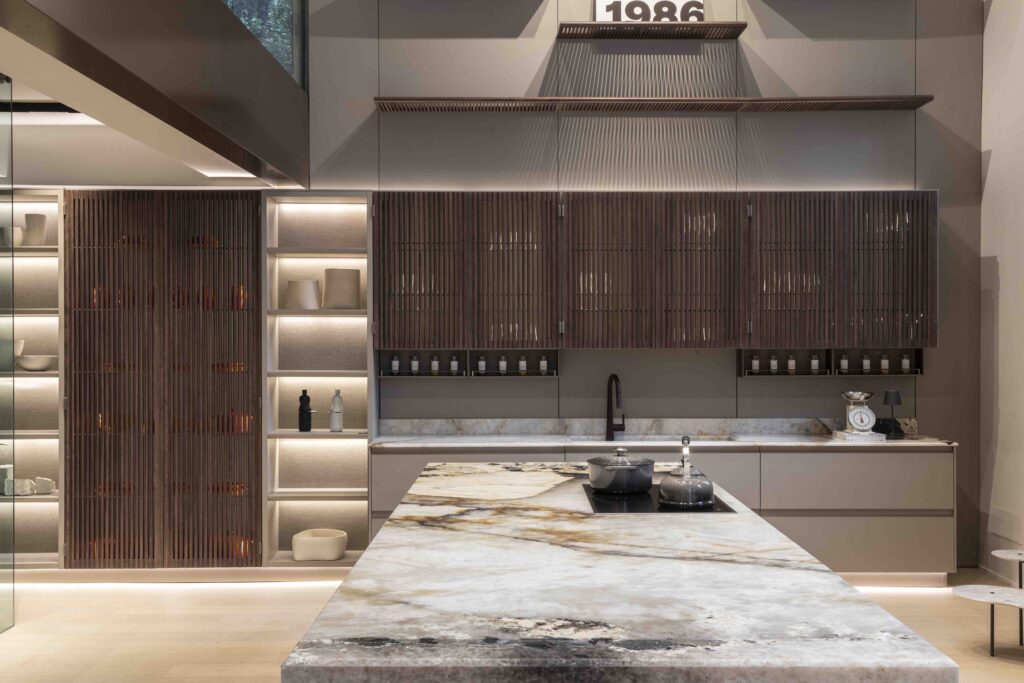
Lwow notes she sees lots of design choices that are less about kitchen protocols and more about lifestyles such as wood finishes and natural fibers like raffia. That ties in with a growing preference among young clients who are seeking products that are more sustainable and in sync with their philosophies.
She says wood of all colors is showing up in kitchens to add texture, warmth and to tie elements together. But increasingly, clients are seeking cabinetry in neutral or earth tones that offer the ability to integrate appliances for a contemporary, sleek look.
“Ninety-nine percent of what I do is panel ready,” she says. “But clients still want a sense of classic style.”
Color is making a comeback
NKBA reports a shift toward “rich, grounding colors” and Price agrees.
“We will see warmer earthy tones—burgundies, mushroom and a lot of terra cotta and clay colors,” she says. Complementing that, she says, is a return to layering: textures, objects and mixing up old and new, for example, an unusual vintage piece finding new life as an anchor piece. That includes appliances that create a visual layer—a stove such as elite French brands La Cornue or Lacanche (more modestly priced options include retro-designed appliances by SMEG, Big Chill or Northstar). Such additions do double duty as functioning appliances while adding a pop of color and interest to the kitchen.

Where function, form and classics meet
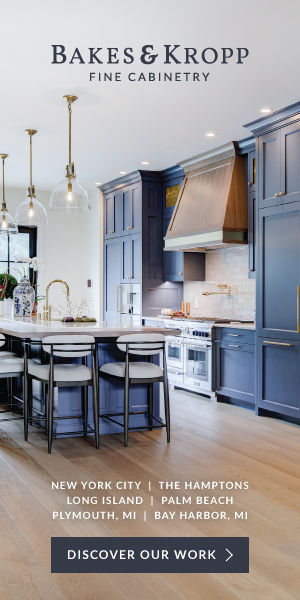
Acknowledging the trend toward color, Bob Bakes, co-founder and head designer of Bakes & Kropp, with showrooms in Sag Harbor, NYC and West Palm Beach says the micro-development or tiny house movement helped shift some of the design aesthetic to match the novelty of those homes.
“I think people felt a little more expressive, so some of the designs became more vibrant,” he said. “There is a trend toward color, but color needs to be controlled.” He notes his firm’s specialty leans toward the classic, elegant and understated.
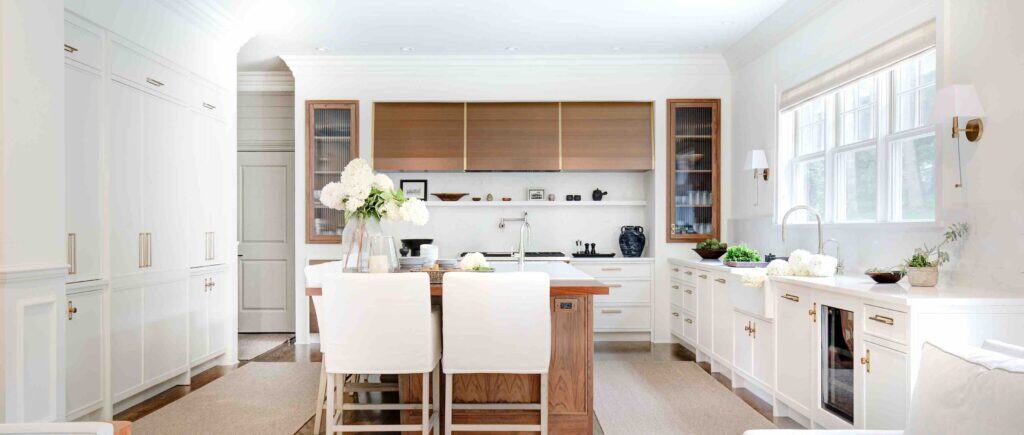
“I think there’s a longevity to the designs we present,” he says. “There’s nothing more long lasting than a subtle combination of muted colors that give a warm feeling about the kitchen.”
However, he recognizes that kitchens, like the families who use them are “living organisms within the house: As life develops and family dynamics change, the environment people are living in should, too.”
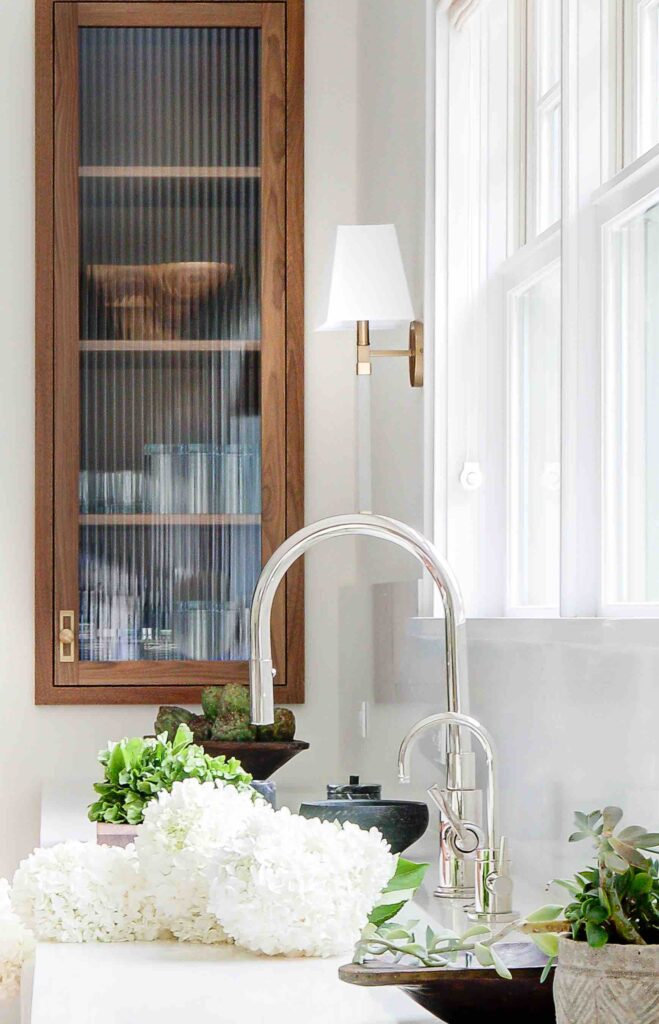
Whereas a kitchen design was once based on the triangle layout, now, he says, “there are additional activities incorporated into the kitchen environment.” He also called out the increased popularity of the “dirty kitchen” an insider term for the scullery or secondary kitchen hat serves as the out-of-sight workhorse while the primary kitchen remains an attractive place to entertain.
But no matter how many rooms or what color palette, Bakes says a trend with staying power is a kitchen with function and flow.
“It’s an important piece and a lot goes into having comfort within your kitchen environment.”