Samantha Tannehill doesn’t talk about design as though it’s purely visual. For her, it’s something closer to translation — of habits, of memories, of the subtle moments that shape daily life inside a home.
Tannehill has built a practice grounded in that philosophy as founder and principal designer of the New York City-based firm Tannehill Interiors. There, she balances high-end residential work with commercial projects, including a collaboration with SA Hospitality Group, for which Tannehill designed three of its Felice locations.
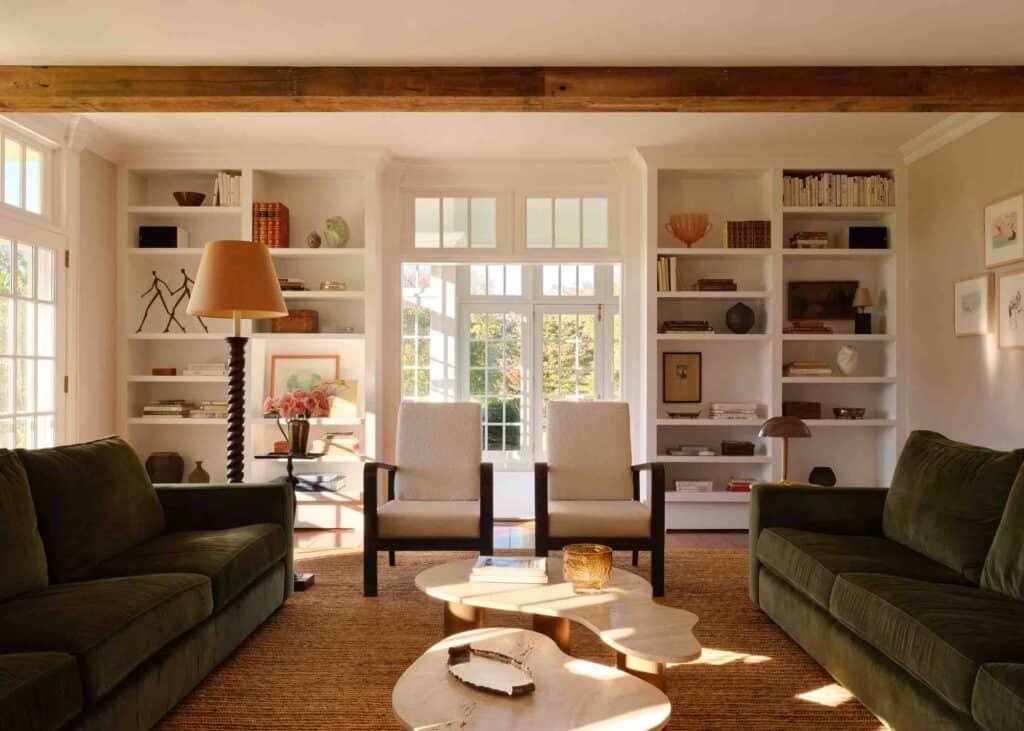
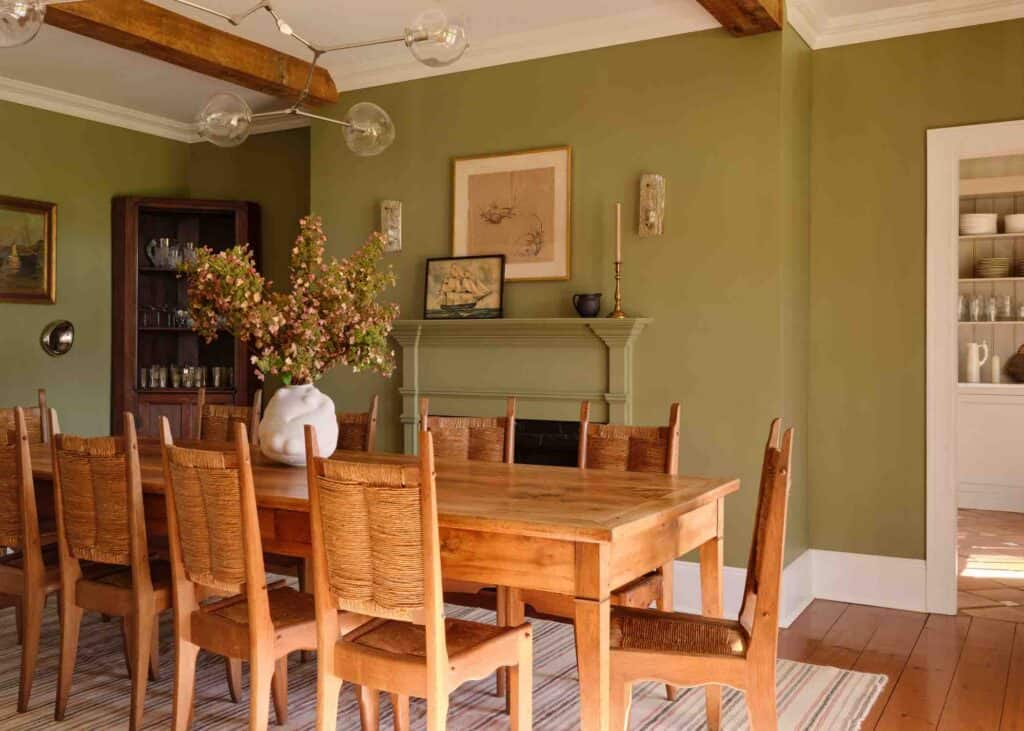
But it’s the 2025 renovation of her own family home in Southampton that offers the clearest window into how that philosophy comes to life.
“I grew up in Texas, which I think quietly shaped the way I see a space,” Tannehill says. “There’s a sense of scale and openness there that stays with you.”
That early influence still underpins her work today, though her career journey wasn’t linear, and instead came from a mix of experience in the fashion industry, formal study and hands-on experience.
“I was always drawn to architecture, art and the psychology of how people live in their homes,” Tannehill explains.
Much of what she considers her real education happened on construction sites, where she learned how design ideas hold up in real conditions.
“A project can be beautiful on paper, but if it doesn’t survive construction or budgets, it doesn’t matter,” Tannehill says.
That technical background helps to offer clarity to her clients, whom she often meets at points of “design decision fatigue,” she says. “There are a million options, Pinterest boards, well-meaning opinions from friends,” Tannehill says. “My role is really to edit that noise and bring clarity.”
Her process begins not with finishes or furnishings, but with observation. Tannehill takes time to get to know her clients, from their morning routines to their nighttime gathering habits; if they like to cook and entertain, or “disappear with a book somewhere quiet,” she says. “Once you understand those rhythms, the design almost writes itself.”
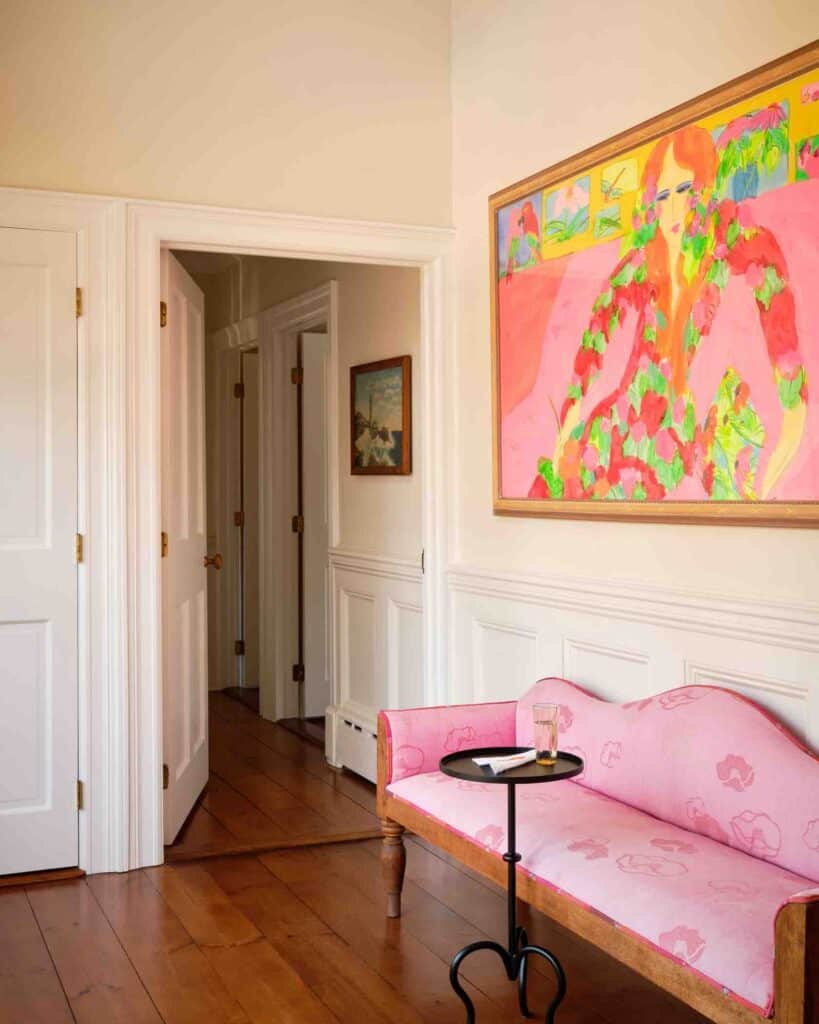
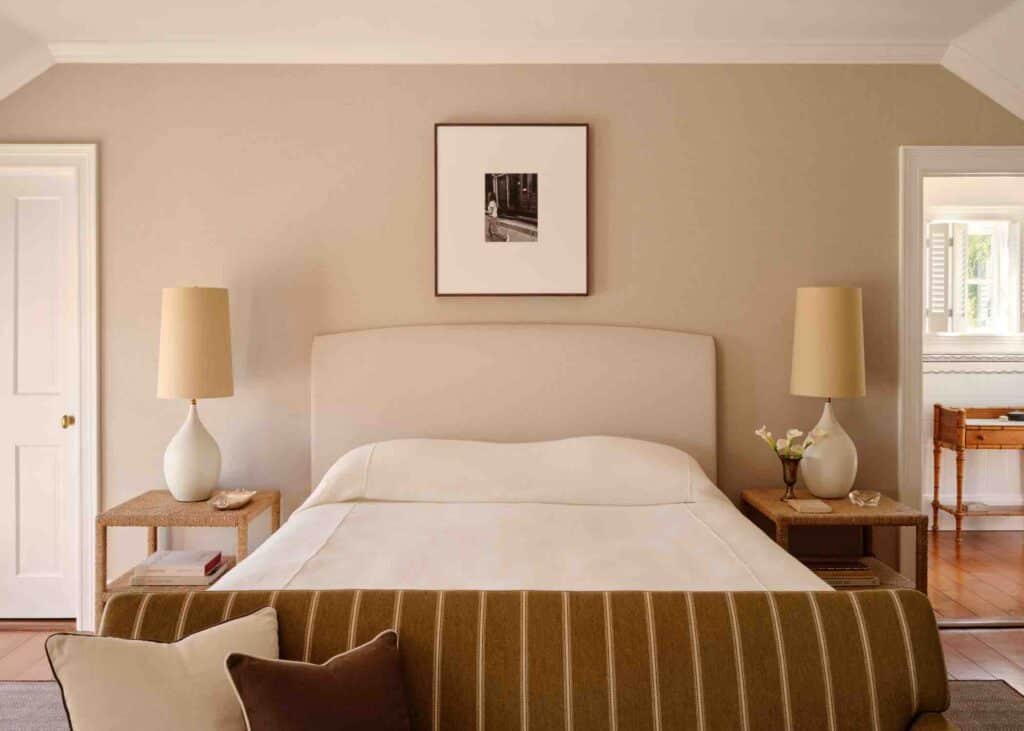
Her aesthetic reflects that same restraint and intentionality. She describes it as warm, layered and collected over time. “I’m not particularly interested in trends or spaces that feel overly staged,” Tannehill notes. “I want rooms that feel like they have a life to them.”
Natural materials are integral to this approach: woods with visible grain, stone with movement, and metals that develop patina.
Context matters just as much. On the Upper East Side, she’s completing a high-rise apartment overlooking Central Park. “Instead of leaning into the typical classic Upper East Side look, we took it in a very clean mid-century direction,” Tannehill says. “The architecture and furniture are quite sculptural and restrained, so the park views and the client’s art collection really become the stars of the space.”
Downtown, a Tribeca project channels a different perspective altogether.
“The client has roots in Los Angeles, so the design leans into that softer California sensibility,” Tannehill explains. “The goal there is to create something that feels relaxed and inviting while still maintaining a quiet, classic elegance.”
Alongside residential work, Tannehill collaborates with SA Hospitality Group on restaurant projects, including locations of Felice and Sant Ambroeus.
Still, it’s the renovation of her Southampton home that reveals the most personal dimension of her practice. Here, she notes, the client relationship was unusually intimate: “The ‘clients’ in this case are me and my family, which is both liberating and dangerous.”
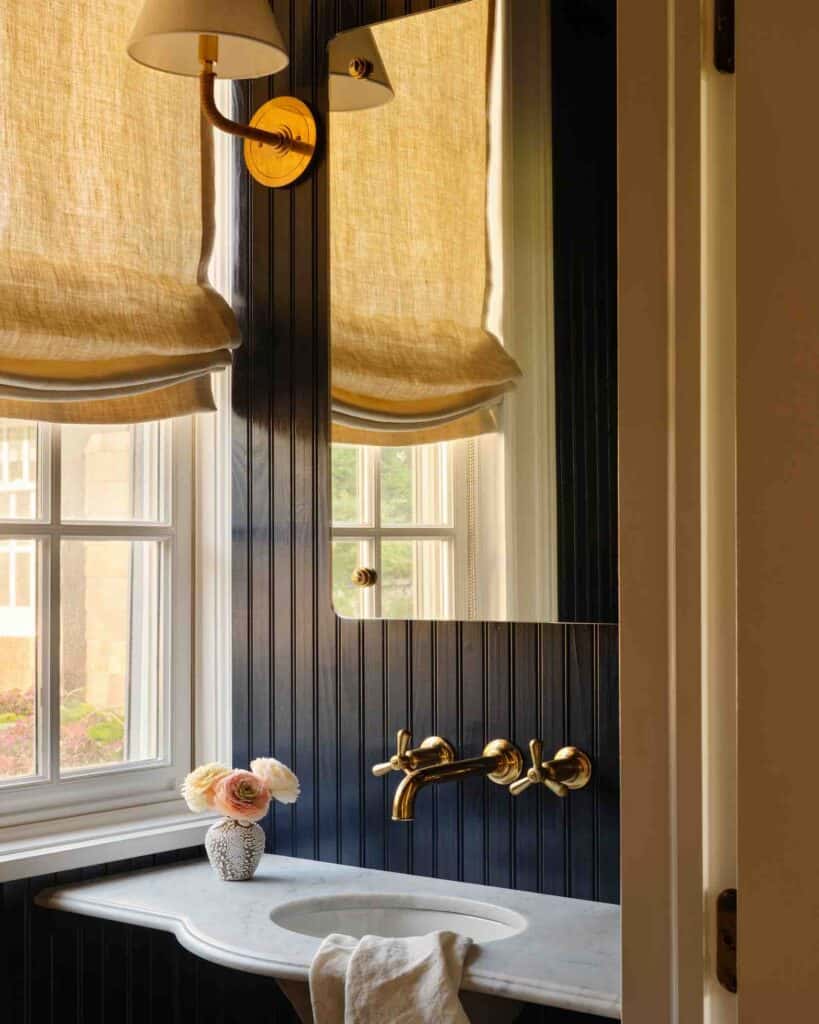
The 5,000-square-foot, five-bed, four-and-a-half-bath house belonged to her husband before their meeting and is where his kids grew up, she says. Though she was initially hesitant to make changes, the house eventually beckoned an update.
“The goal was never to reinvent it completely, just to make it work better for the way we live now,” Tannehill notes.
Built in the early 1990s, it offers a classic Hamptons shingle-style vocabulary, with good bones, traditional millwork, hardwood floors and a layout that showcases the lush landscape.
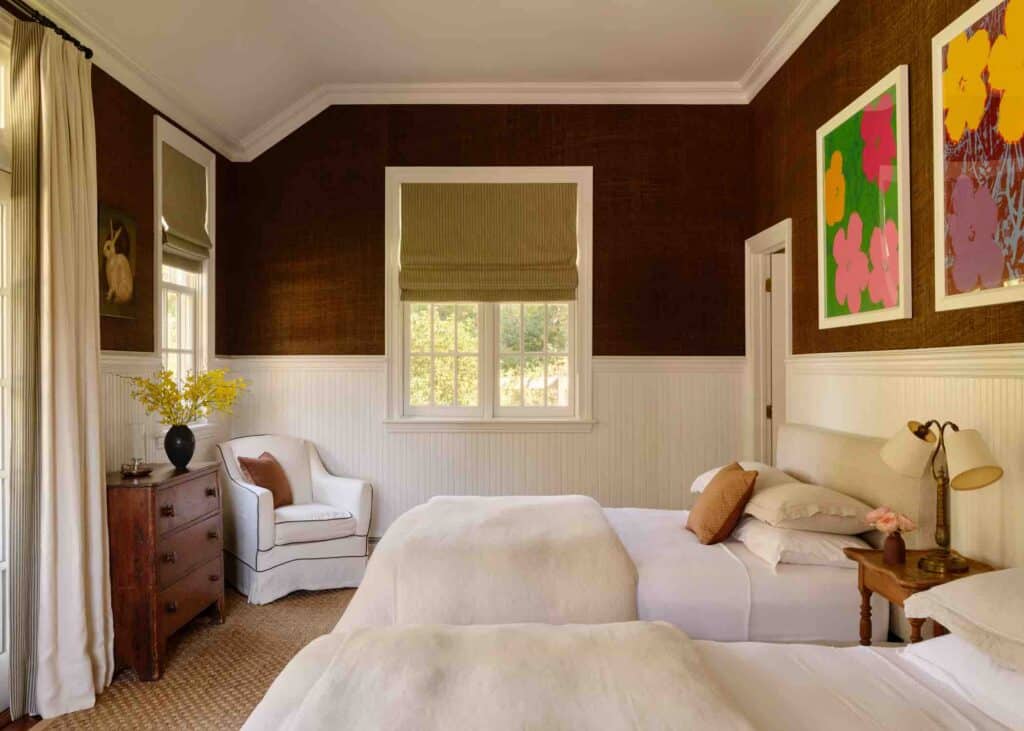
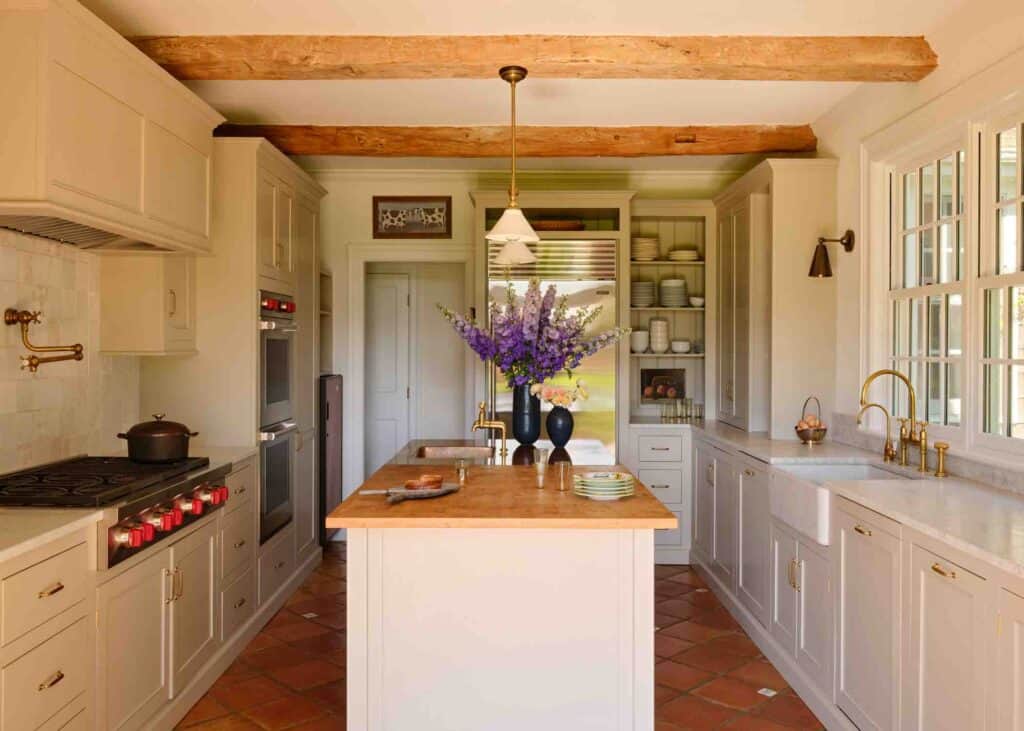
Its redesign began, as many do, with the kitchen. “We cook constantly when we’re there, and the original layout wasn’t built for a crowd,” she says. From there, the project expanded into a broader rethinking of how the house functions, with an emphasis on layering. “In the Hamptons especially, it’s easy for homes to become overly polished,” she says. “I wanted ours to feel a bit more lived-in.”
A subdued use of the color green, partly inspired by the landscape outside, helped unify the spaces. “It starts with the Dutch door and then quietly shows up in fabrics, paint colors, and furniture throughout the house,” Tannehill says. “I like when a home has those subtle connections between spaces rather than everything feeling completely separate.”
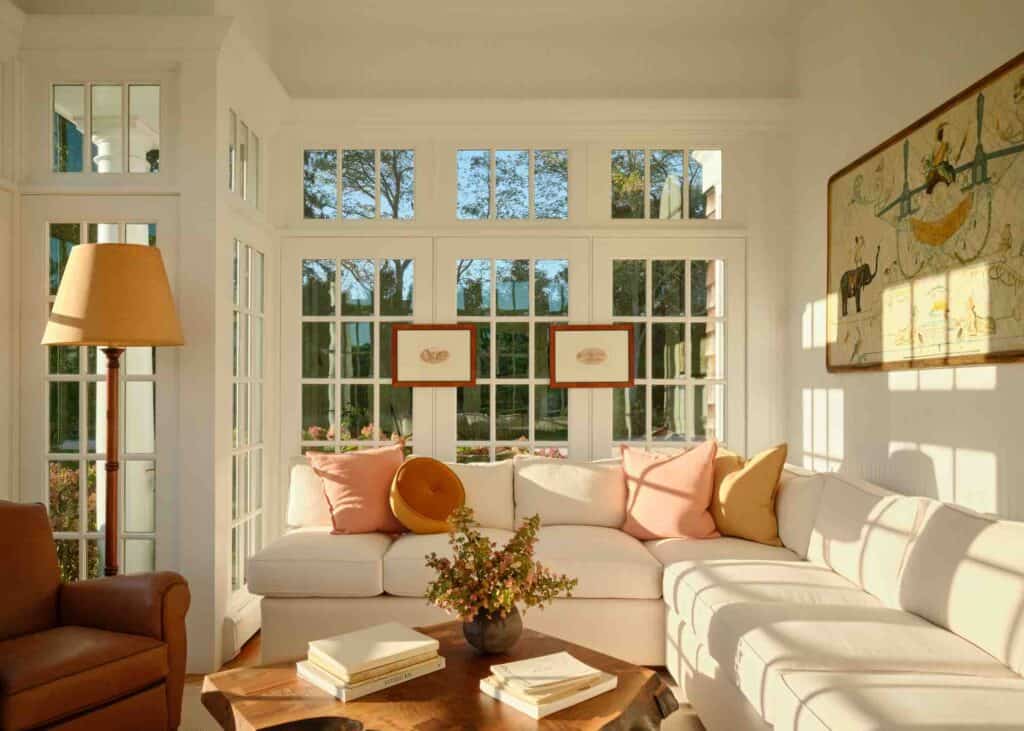
Among the finished spaces, one stands out. “The sunroom,” she says without hesitation. “There’s something about that room that makes people settle in, read a book, curl up and hang out,” she says. “It’s bright and sunny and warm and just a happy room.”
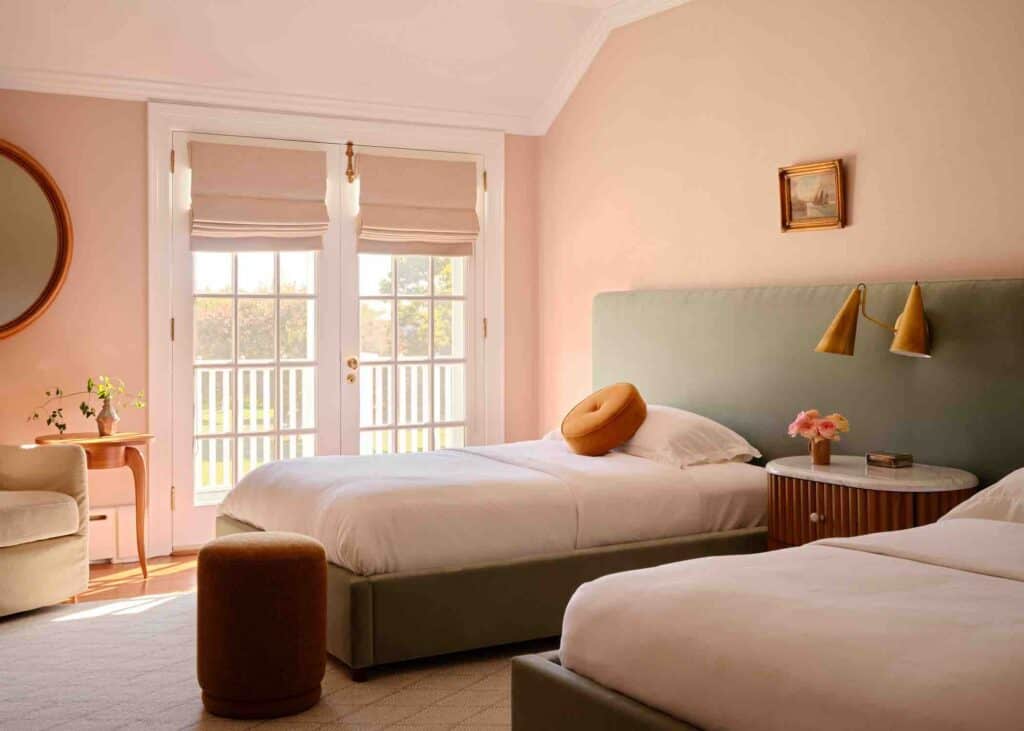
When the project wrapped up, the most meaningful feedback for Tannehill came from those with the deepest connection to the home. “The reaction that meant the most to me was my stepkids,” she recalls.
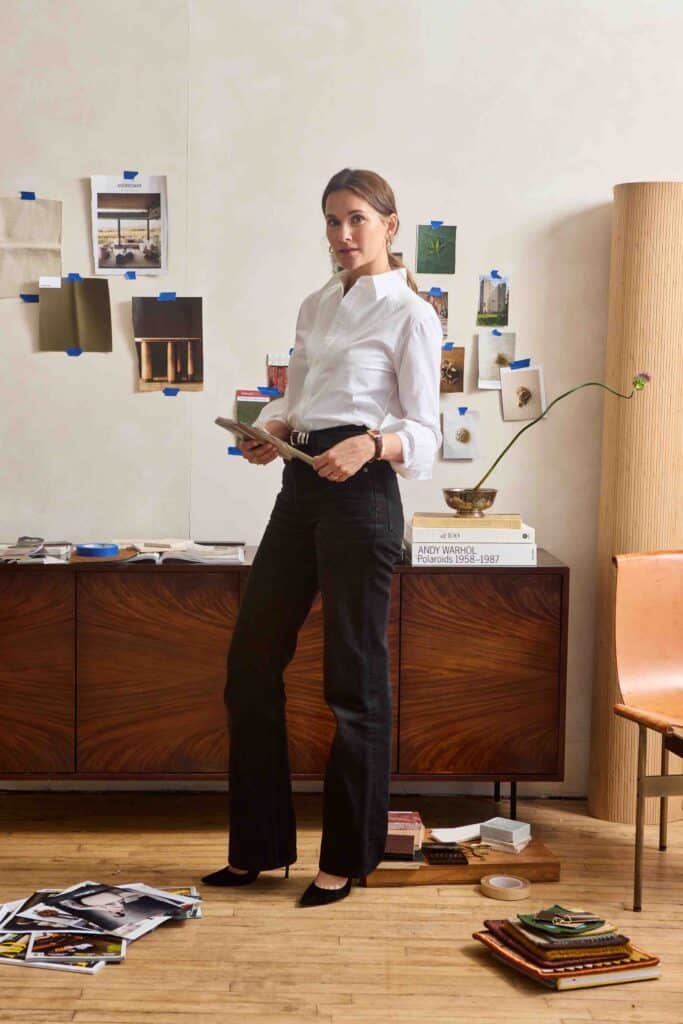
“When they came back and were genuinely excited about the evolution of the house, it was a huge relief,” Tannehill says. “It meant the house still felt like home to them, just with a new chapter.”
Photography By Tim Williams
Styled By Mariana Marcki










![🎨 Through vibrant fabrics, layered textures, and intricate stitching, artist Nicole A. Vanasse transforms everyday moments into richly detailed works of art. Drawing inspiration from real life while inviting viewers to find their own meaning, her textile compositions celebrate memory, storytelling, and the beauty found in life's smallest details. Each piece is a reminder that art can be as much about the journey of creation as the finished work itself. [link in bio]](https://hamptonsrealestateshowcase.com/wp-content/uploads/sb-instagram-feed-images/763433386_18619953184030135_3337811349419388933_nfull.webp)