They call them perennials for a reason: they come up every year and, once established, they deliver the blooms. In addition to providing reliable pleasure each year, perennials enable gardeners to design and plan their plots with consideration to texture, height and color. It’s an undertaking for the long haul, say experts.
“Take it slow,” says Pam Healy, manager at Fowler’s Garden Center in Southampton. “Rome was not built in a day and neither will be your garden,” she says.
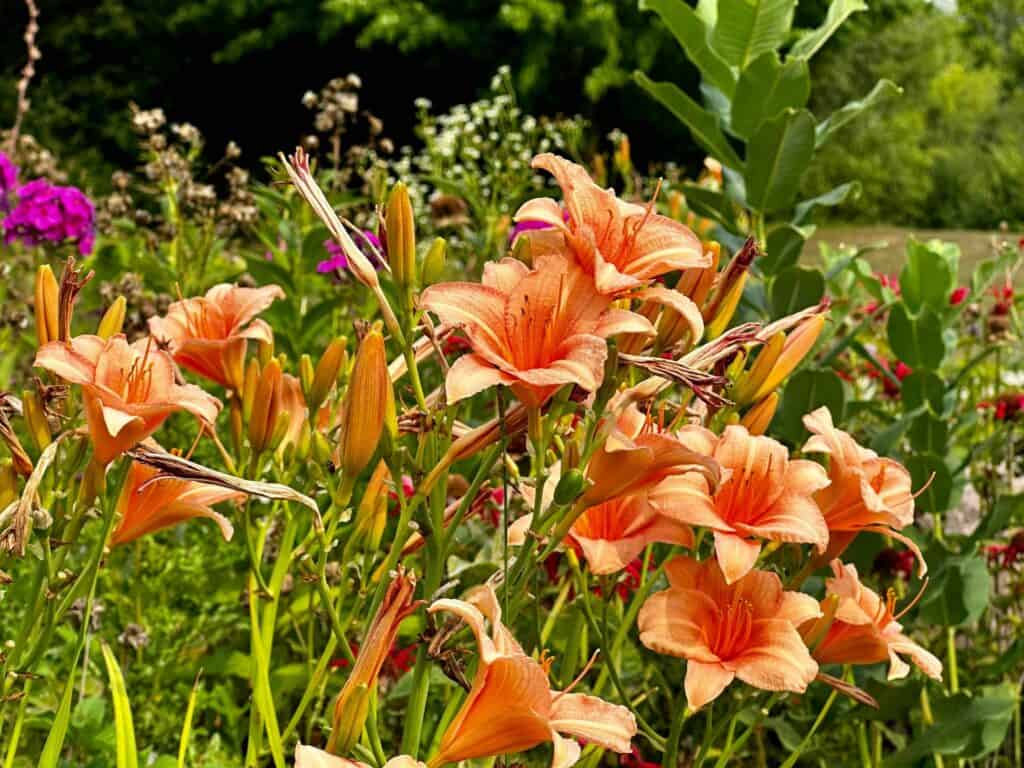
Photo: Ted Balmer
“Do your research, look at everything and visit garden centers frequently through the season to see what’s in bloom,” she says, recommending purchasing a few early-, mid- and late-summer bloomers to see how they look and adapt to your conditions. And, ask for help at the garden center: your first-year intel will inform next year’s garden.
As an organic farmer, Eve Kaplan-Walbrecht, owner of Garden of Eve in Riverhead, gardening is all about getting down to earth.
“You have to focus on building soil health before you plant anything,” she said. “You’re not trying for a quick fix.” After years of working with flowers, her farm now focuses on certified organic vegetables, but she said the same principles apply to perennials, particularly when it comes to dirt.
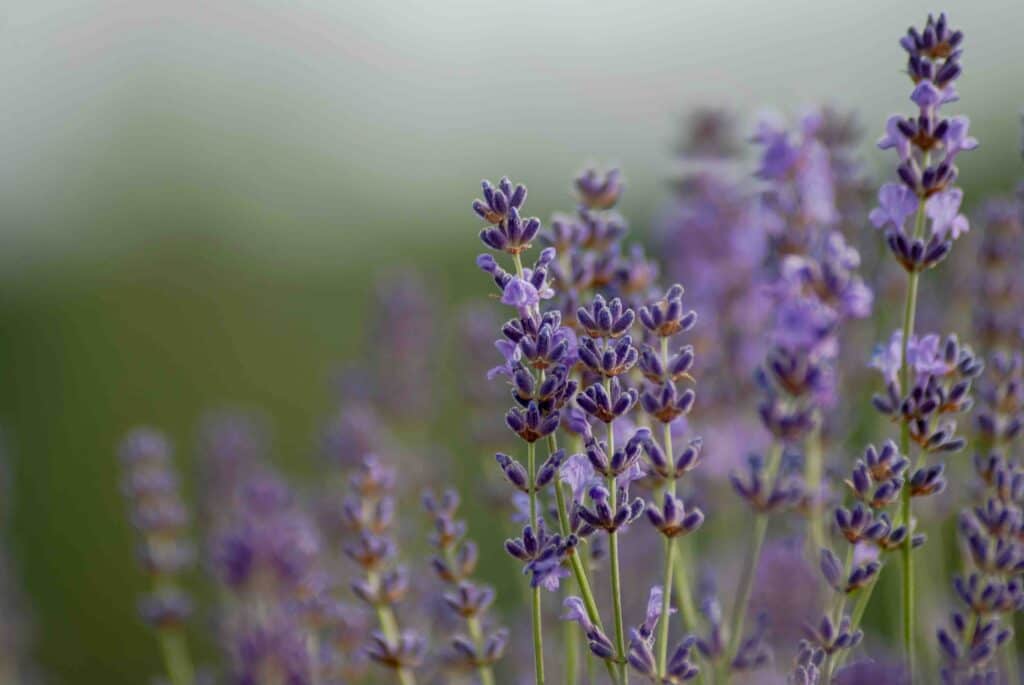
Photo: Denes Kozma
She says poor soils often are found in parcels too close to the house and along the driveway—they may be eroded or hard packed, mixed with pebbles and other matter, are nutrient-poor and unable to host beginning plants. Amendments such as compost—and plenty of it—can help revive dead soil and provide a base for a sustainable perennial garden.
“If you can’t dig down, you can build your garden up,” she says, and use rocks to create a retainer wall for the compost. Once you’ve defined your area, fill it with compost (organic is best), “then set it and forget,” she says.
Kaplan-Walbrecht advises asking your supplier lots of questions about how your chosen posies will overwinter.
“Even a hardy easy-to-grow plant that’s a ‘steady Eddie’ may not overwinter well,” she says. “They may look great one year and then not come back.” Ditto for ornamental plants forced to bloom in artificial conditions. “They’re meant to be gifts, not plant outside,” she says. She advises buying in April, May and June, noting survival rates for next year’s planning. And, “don’t take it personally if your plant fails.”
Even the most experienced gardeners say their hobby is a matter of trial and error. “We move things around each year if they don’t work out and it’s a kind of fun and free way to have a new garden,” says Healy.
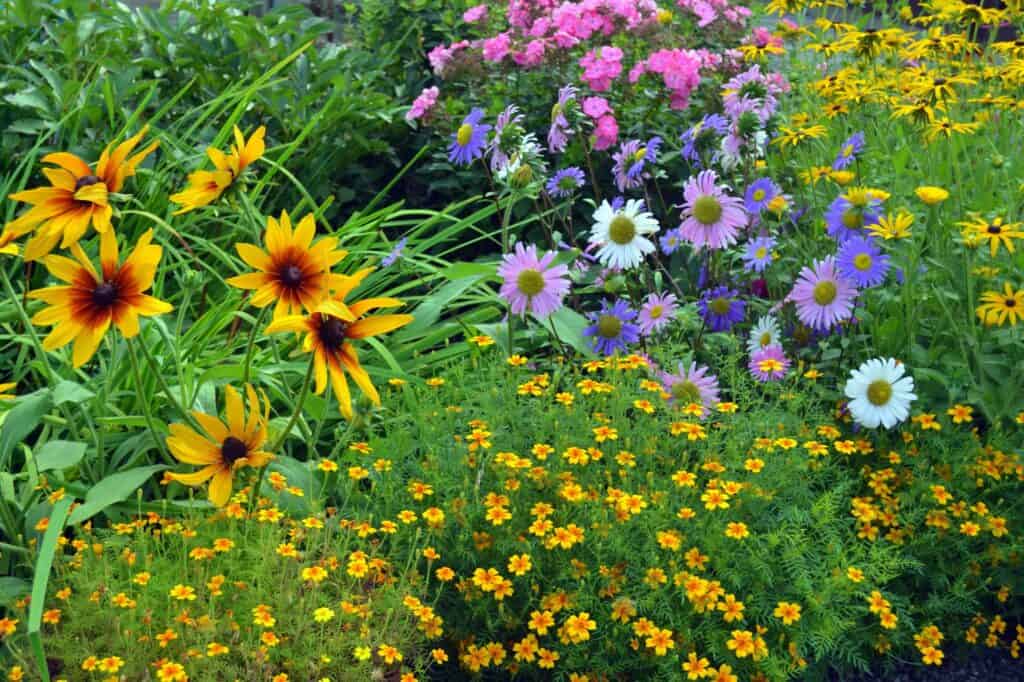
Photo: Uellue
What to choose depends on numerous conditions, climate chief among them. Gardeners and growers alike rely on the USDA Plant Hardiness Map, which assigns growing zones based on zip code. Plant tags and garden literature often refer to the zone, indicating growing success for perennials and making it easier for gardeners to plan. (Nearly all the South Fork and most of the North Fork—generally from Orient to Cutchogue and the outer fringes—is in Zone 7b.)
After climate, consider color. Do you want blooms from spring to fall and what does that looks like? Do you want contrast and visual energy or something cool, calm and natural? Maybe nostalgia is your sweet spot? Horticulturists are well versed in color theory and can advise you on how to turn an entry way into vibrant welcome mat or a backyard into meditative Zen garden.
While flower trends do come and go, here are five foundation plants that are perennially popular:
Plants in the Salvia family are drought-and salt tolerant, making them good candidates for coastal gardens. Depending on the variety, these are tall spikes or whisps of blues and purples. Bonus: They are deer resistant and are hard-working pollinators attracting bees, butterflies and hummingbirds.
Lavendar is partial to maritime climates (think south of France!) and alkaline soils, and presents in a variety of styles from bushy to wispy. Not all varieties are suited to our region, so ask your supplier for recommendations or consider hardier hybrids.
Rudbeckia, aka Black-Eyed Susan, is a bright, long-blooming and tall filler for the garden. Once more of a roadside attraction, it’s made a comeback with native-plant gardeners who value its versatility, low maintenance and medicinal properties.
Butterfly Bush, a fast-growing, deciduous, woody shrub that, as its name implies, is a magnet for butterflies. “People love them because of the Monarchs,” says Healy. “A couple of years ago, I couldn’t keep them on the shelf.” The Dwarf Buddleia, she says, are “great performers.”
Daylilies are hardy and versatile in the garden as they function as both a bloom and foliage. The Stella d’Oro variety will deliver blooms in spring and late summer.
Finally, you’ll want to consider how to protect your garden from four-legged predators. Most plant tags will note if the plant is deer resistant and many nurseries organize their selections for quick identification. Ask your horticulturist for best recommendations and remember, what a deer doesn’t eat one year, it might eat the next year. Just don’t take it personally.