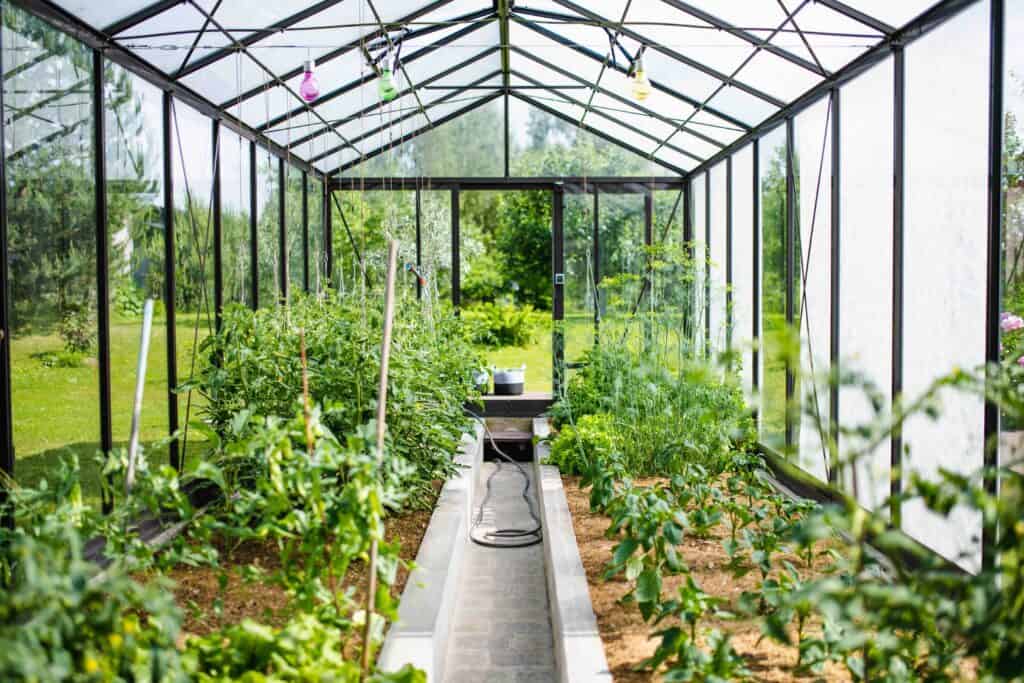
How does your garden grow? In the Hamptons the kitchen garden has shifted from a practical backyard plot into a designed, staffed, and curated feature that supports chefs, elevates entertaining, and reinforces the idea of the luxury home as a fully immersive lifestyle environment.
Here’s what you need to know about this culinary movement, and why the Hamptons are its ideal launching pad.

The kitchen garden is evolving into an essential amenity for luxury real estate.
Consider it lifestyle infrastructure: On luxury estates, edible gardens are being planned the same way pools and tennis courts have always been. They’re often designed in from the start by landscape architects so they can be positioned near the kitchen or outdoor dining areas for both daily use and visual impact.
Contemporary design features describe potagers as part of the broader “experiential estate” trend, alongside outdoor kitchens, wellness gardens, and pollinator landscapes. These gardens are often positioned near the kitchen or outdoor entertaining areas and maintained by estate staff or personal chefs.
Luxury listings increasingly highlight edible landscapes, orchards, and greenhouse structures as premium features. Both in the Hamptons and in other luxury areas, developers and designers report that food gardens add both lifestyle value and a sense of authenticity.
Homeowners want sustainable self-sufficiency…
Based on her experience, Meg Miller, private chef and owner of The Salted Fig in the Hamptons and NYC says, “my clients are much more interested in organic growing, seasonality, and knowing exactly where their food comes from,” a shift that reflects a deeper desire for transparency, integrity, and a meaningful connection to the land.]
Paul Staley, chef and owner of Seattle’s Chomp! Foods, agrees, saying that he usually finds edible gardens at his clients’ properties and notes, “People understand how that affects their diets and overall wellness.”
The kitchen garden trend is likewise being driven by environmental awareness, as well as a growing recognition that being sustainable can be aesthetically pleasing, too. Rainwater collection systems, composting setups, and organic growing methods are often incorporated.
… but make it aesthetic, too.
The modern luxury potager isn’t just useful. It’s also beautiful. Those sustainable elements like rainwater collection and composting are now being integrated more discreetly, so the look remains polished and intentional rather than rustic.

The best examples are intentionally styled with elements such as geometric beds, espaliered fruit, and curated herb borders. The effect merges traditional French kitchen garden principles with contemporary landscape design for a happy marriage of visual drama and heightened usefulness.
The result is a bountiful, beautiful harvest: “Aesthetic edibles [like] nasturtium, calendula, squash blossoms… elevate a culinary experience from something you digest to something you remember,” Thomas says.
Private chefs are helping drive demand.
In many high-end homes, private chefs are actively involved in planning what gets planted, based on the client’s preferences and the chef’s culinary style. The garden becomes an extension of the kitchen’s mise en place.
Chef Miller, who grew up on the East End, and has spent over 15 years working in estate kitchens, emphasizes the importance of the seasonal garden. “When ingredients are harvested minutes before cooking, the result is peak flavor, true seasonality, zero disconnect between the land and the meal,” a philosophy that transforms dining into an intimate expression of place, time, and craftsmanship.


That broader perspective is something private chefs are noticing among their clients, as well. Many homeowners want to be able to “shop the garden” for dinner parties.
Chef Matt Collins of New Jersey’s Chef Collins Events, says his clients often ask for “herbs like rosemary and thyme… [as well as] small tomatoes and peppers because they’re easy to grow.”
Express (and live) your values.
Having a kitchen garden communicates values of wellness, sustainability, freshness, and intentional living. For homeowners, it’s as much about ethos and image as it is about the produce itself.
Jack Thomas is a regenerative farmsteader and kitchen garden designer at Foggy Ridge Farmstead in Vermont who fully supports this aspect of the kitchen garden resurgence. “Having an abundant kitchen garden isn’t just a luxury—it’s an investment in food security and culinary joy,” she says.
The farm-to-table movement in the Hamptons is part of a larger national shift toward local sourcing, sustainability, and experiential dining. However, it has taken on a very specific character on the East End because of its geography, wealth base, and long agricultural history.
The Hamptons have been agricultural regions for centuries. That agricultural spirit continues today, with homeowners using the concept of the kitchen garden to fuel their own wellness activities. That goes for the entire garden lifecyle, from planning to harvesting and consuming the garden’s yield. “Some clients are interested in the mental and physical health benefits of working in those gardens themselves,” Thomas says.
Design is (almost) as important as yield.
Today’s kitchen gardens are meant to be seen as well as used. As a result, the ability to integrate design trends such as symmetrical layouts, gravel paths, cedar raised beds, espaliered fruit trees, and decorative fencing are all important considerations. The goal is something that photographs beautifully while still producing delicious, usable food.
Chef Staley says that two vital elements are “layout and functionality. Achieving the highest yield and ease of harvesting are huge.” And Chef Miller observes that “If the garden design is too far away from the kitchen or too precious and decorative, it doesn’t get used the way it should.”
Kitchen gardens get staffed and maintained like any other estate feature.
Many properties employ part-time gardeners or contract with specialty firms to keep the garden productive without requiring the homeowner to become an expert. Just as properties rely on arborists for trees or landscape architects for grounds, edible gardens are increasingly supported by specialists with expertise in food production, soil health, and seasonal crop planning.
Professional management services may include a variety of services. Depending on the scale and ambition of the garden, owners typically work with a mix of specialists who each tackle different tasks, from edible landscape designers, to kitchen garden consultants, horticulturists to organic garden management firms
As Thomas observes, “Homeowners tend to approach kitchen garden design aspirationally rather than based on what they actually eat.” Thomas advises homeowners to start on the personal level: “Focus your design on what you truly eat day to day. Then seek the help of the professionals who can help you create and support that yield.”
Ready. Set. Plant!
Kitchen gardens, orchards, and small “estate farms” are increasingly incorporated into luxury properties. Owners want ready access to fresh herbs and greens, just steps from the kitchen, as well as other mission-critical ingredients for entertaining, all while maintaining a visible commitment to sustainability.
A well-designed potager can take you from seasonal dining to year-round sourcing and help your chef maintain more consistent local sourcing. Collaborate with the right professionals and you can enjoy the freshest produce and herbs around all year long.