Photo: Sean Pavone
After several years of frenzied activity, South Florida’s luxury real estate market is settling into a more measured rhythm. Inventory has ticked up, buyers are negotiating with greater precision, and value has become the watchword across price points. Yet demand remains strong, particularly for premier waterfront estates and well positioned, turnkey properties. Shifts in interest rates, insurance costs, and new building requirements are reshaping deal structures and timelines, while emerging West Palm Beach neighborhoods draw fresh attention. We asked two leading brokers, Dana Koch and Jennifer Fitzpatrick of the Corcoran Group, to share their perspective on where the market stands and where opportunity lies today.
HRES: How has buyer demand shifted recently across South Florida, particularly among luxury end users, secondhome buyers, and investors?
Dana Koch: Buyer demand has become more strategic and value-driven. The market is transitioning into more of an equilibrium with a tug of war between buyers and sellers. There is a bit of an oversupply in the condo market, giving well-positioned buyers the ability to capitalize on opportunities.
Jennifer Kilpatrick:Luxury demand hasn’t slowed; it’s evolved. Buyers today are being very thoughtful. They’re not chasing headlines. Many aren’t just buying “a winter place” anymore — they’re creating a second anchor residence. They want quality construction, privacy, walkability, and a lifestyle that feels seamless with how they actually live. And it truly is the Palm Beaches … plural. It’s not just the island. From Boca and Delray to Manalapan, Ocean Ridge, Hypoluxo Island, and up into West Palm Beach, where revitalization is on fire, each area offers a different expression of coastal luxury. This is a lifestyle-driven market, not a hype-driven one.
HRES: Which price points and property types are showing the strongest momentum today, and where are buyers exercising greater caution?
Dana Koch:Waterfront estates remain resilient. Limited oceanfront and intracoastal properties continue to command premium pricing. Buyers are notably more cautious with condos in need of extensive renovations as well as older buildings, largely due to rising insurance costs and reserve funding requirements. Negotiability is highest here, and absorption is slowest. Properties requiring updating or with substantial upcoming assessments are staying on the market longer than a renovated product.
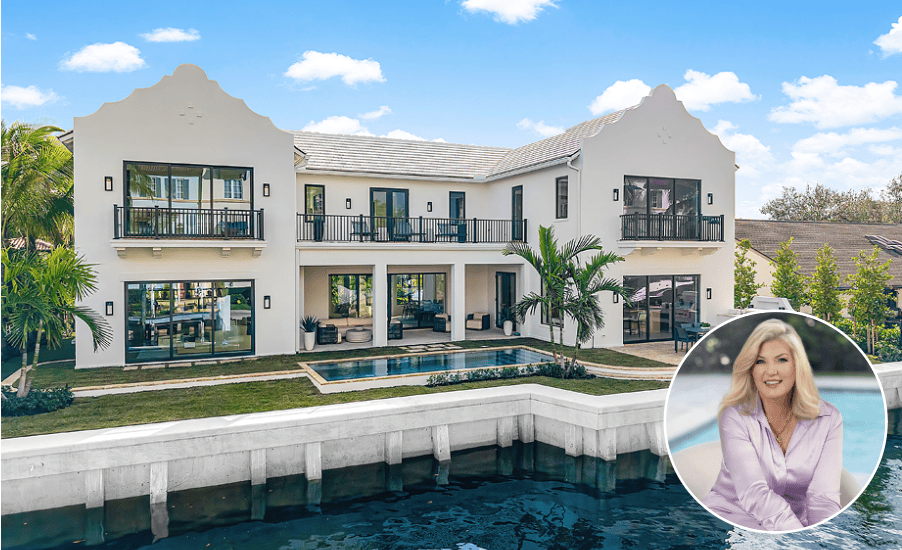
Represented by Jennifer Kilpatrick of Corcoran
HRES: How are factors such as interest rates, insurance availability, and new building requirements shaping negotiations and purchase timelines?
Jennifer Kilpatrick:Impeccably finished, move-right-in residences are leading the market… and new construction is always king. Buyers want modern standards, strong building integrity, thoughtful design, and the confidence that comes with something newly delivered. Certainty has value. And new construction provides it. Ultra-luxury continues to perform when the location is irreplaceable and pricing is realistic. The condo market is temporarily softened, largely because of reserve requirements and higher insurance costs. Some buyers are pausing while buildings complete compliance work. But that pause is creating opportunity. As buildings catch up, confidence will return. The buyers who step in thoughtfully right now may look very smart in hindsight.
Dana Koch:Falling interest rates are bringing previously hesitant buyers who were on the sidelines back into the market. All properties are insurable; it just may come at a “price”. Over the last few years, insurance premiums have risen, but the insurance market seems to be stable right now. As far as new building requirements (milestone inspection & SIRS reserve study), many buildings are contending with assessments which become part of a contract negotiation as the benefits of these improvements enure to a buyer. The good news for buyers is that the major work has been completed in many of the buildings and these projects are in the rearview mirror.
Jennifer Kilpatrick: Interest rates have helped the under-$4 million buyer … that segment feels it more. Above $4 million, many transactions are cash. Those decisions are driven by supply, quality, and long-term positioning, not quarter-point movements. What’s really shaping negotiations in buildings is transparency. Insurance, reserves, structural reports… everything is reviewed earlier and more carefully. Transactions aren’t slower because demand is weak. They’re slower because buyers are being thorough. Preparation and diligence are key for buyers, especially in the condo market.
HRES: What changes are you seeing in inventory levels and seller expectations compared to the same period last year?
Dana Koch:Inventory across Palm Beach has increased since Covid but we are still well below pre-Covid levels. The lack of quality inventory is evident. Days on market has increased, giving buyers more options. Sellers who price strategically and present turnkey homes continue to see strong activity, and in some cases, bidding-war scenarios, while those clinging to outdated price expectations experience longer market times. Properties needing cosmetic updates or with higher carrying costs are being listed with builtin discounts to reflect buyer expectations.
Jennifer Kilpatrick: In many segments, inventory has slightly increased – especially with the start of our winter season, which gives buyers more options. But truly prime properties remain limited. Seller expectations have become more strategic. The market is rewarding realism. Homes that are priced well and presented beautifully are still trading decisively. It’s no longer a momentum market. It’s more balanced and refined.
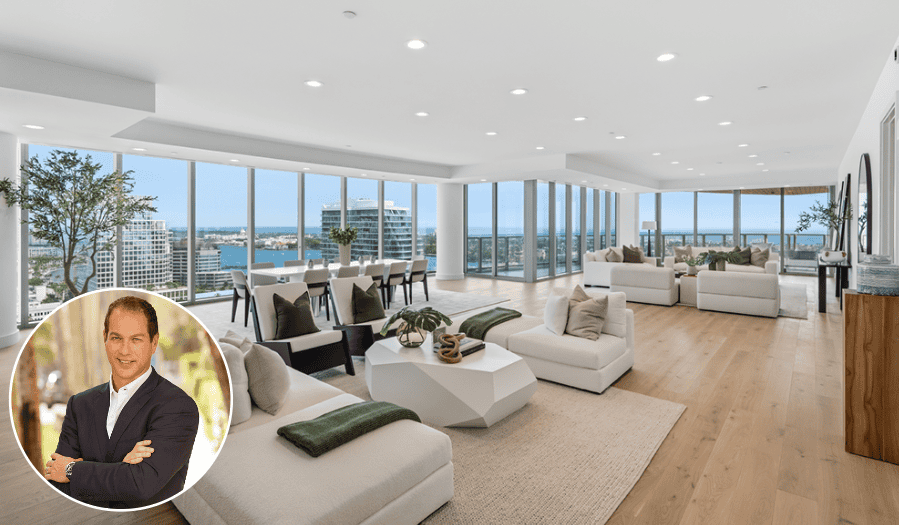
Represented by Dana Koch of Corcoran
HRES: Which neighborhoods or micromarkets stand out as emerging or consistently strong performers, and what is driving buyer interest there?
Dana Koch:Palm Beach and West Palm Beach remain top performers and have held a consistent growth pattern within the last few years. Buyers are particularly interested in all of the new development taking place and exciting reimagined downtown areas. Cultural growth and sustained corporate relocations are drawing younger luxury buyers and investors. South of Southern (SoSo), Prospect Park, Southland Park, Flamingo Park, El Cid, Northwood (which is old West Palm Beach) has continued to show as emerging and strengthening as developers continue to venture to those areas. Buyers are ultimately gravitating to markets that offer lifestyle, stability, new construction, and longterm value—and Palm Beach remains one of the strongest markets in the entire country.
Jennifer Kilpatrick: Palm Beach remains timeless. West Palm Beach has transformed into a legitimate full-time luxury destination, fueled by financial migration, cultural expansion, and accessibility to private aviation. Delray Beach has that “Village by the Sea” energy that resonates deeply with Hamptons buyers — walkable, intimate, design-forward, and vibrant year-round. For privacy and significant waterfront, Manalapan, Ocean Ridge, and Hypoluxo Island offer discretion without sacrificing location. And Boca Raton has always been strong — but it’s hotter now. New luxury developments and elevated dining have added fresh energy to an already established market. It’s evolved without losing its foundation. Across the Palm Beaches, buyers are choosing based on nuance — vibrancy or seclusion, new construction or legacy estates, community or privacy.







![🎨 Through vibrant fabrics, layered textures, and intricate stitching, artist Nicole A. Vanasse transforms everyday moments into richly detailed works of art. Drawing inspiration from real life while inviting viewers to find their own meaning, her textile compositions celebrate memory, storytelling, and the beauty found in life's smallest details. Each piece is a reminder that art can be as much about the journey of creation as the finished work itself. [link in bio]](https://hamptonsrealestateshowcase.com/wp-content/uploads/sb-instagram-feed-images/763433386_18619953184030135_3337811349419388933_nfull.webp)