It’s a late summer evening, and your guests are just beginning to arrive as the sun sets over the nearby fields. The tomatoes came from a nearby farm that morning. The oysters were harvested just hours earlier. Herbs were clipped from the kitchen garden. The rosé was produced a few miles down the road.
Farm-to-table entertaining has evolved beyond simply serving local food. Today’s hosts are creating immersive experiences that celebrate the East End’s agricultural heritage while offering guests an authentic sense of place.
The East End Is the Ultimate Pantry
The Hamptons are uniquely positioned for this style of entertaining. It’s blessed with fertile farmland preserved for generations, local farm stands, and a plethora of delicious foods and drinks on offer.
Consider exploring those offerings for your next dinner party: local shellfish and seafood, vineyards and wineries, artisan cheese, and specialty foods, plus the growing popularity of kitchen gardens all mean that you can find delicious local versions of your favorite ingredients. And many of them have been sustainably grown.
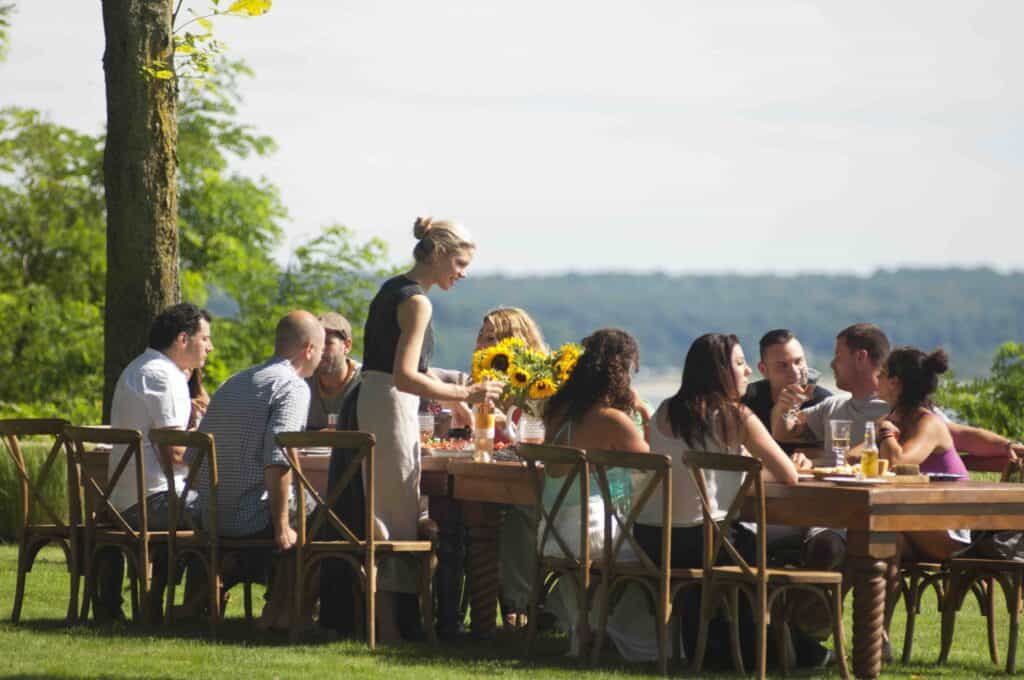
John Lancione is the Founder and CEO of Seasonal, a local food marketplace in NYC built around the community-supported agriculture model. He says, “Farm-to-table entertaining has been moving beyond simply ‘local’ and toward ingredients with real provenance. Local farmers are artisans in the truest sense, and the story behind their work and the food they produce is both beautiful and interesting.” The bottom line? The best harvest dinners begin with what’s actually in season.
Designing a Menu Around Late Summer’s Peak Harvest
Rather than choosing recipes first, successful hosts start with ingredients. Lancione suggests starting with your produce: “Stop by farms like Amber Waves, Balsam Farms, and Oregon Road Organics to stock up on peak-season fruits and veggies, then build the menu around it. Nature really does the storytelling for us during this time of year, and when you buy fresh local produce, the menu writes itself.”
For starters, consider local oysters, an heirloom tomato salad, and perhaps an assortment of fresh cheeses sourced locally. Lancione suggests pairing vine-ripened tomatoes with stone fruit: “Throw together big chunks of heirloom tomatoes, sliced sungold and cherry tomatoes, your favorite local stone fruit, feta, and a handful of fresh herbs. You’ll have a hearty dish that explodes with summer flavors.”
Main courses can center around grilled fish, pasture-raised chicken. Don’t forget vegetables such as corn, eggplant, and zucchini, all lightly grilled to maximize their natural flavors and textures. For desserts, consider fresh fruits such as peaches, berries, and plums, with a drizzle of local honey for a sweet finishing touch. The bonus benefit to a fresh farm-to-table approach: Menus become simpler yet more memorable because the ingredients do most of the work.
Seed-to-Sip: Pairing Local Wines with the Harvest Table
Like farm-to-table, seed-to-sip is both a movement and a philosophy that centers ethical sourcing and production processes applied to drinks. When a beverage producer adopts this approach, it commits itself to transparency and quality control at every stage.
Ivo Cooper, who is the Founder of Cooper Private Cellars and the General Manager & Beverage Director of the M Grill in Los Angeles, suggests the following wine and food pairings for this season in the Hamptons: Heirloom tomatoes + burrata, basil, olive oil, or grilled bread: “I’d go with Wölffer Estate Rosé or Channing Daughters Rosato. Tomatoes need a wine with freshness and acidity, and a Long Island rosé works well.” Roasted eggplant with herbs, tahini, yogurt, or smoky grilled flavors: “Look at Channing Daughters, especially one of their more textured white or rosato styles.”
For richer autumn dishes such as eggplant parmesan, roasted squash with mushrooms, or grilled vegetables with lamb or steak: “A Long Island Cabernet Franc or Merlot can work beautifully. Bedell, Macari, or Paumanok would be good producers to look at. Serve the Cabernet Franc slightly cool so it stays fresh and doesn’t overpower the vegetables.”
The New Luxury: Knowing the Story Behind the Meal
This is the real secret behind the shifting approach to farm-to-table in the Hamptons: Rather than impressing guests with elaborate imported ingredients, many hosts are choosing authenticity and the bounty produced by produce and flower farmers, winemakers, herbalists, lobstermen and more.
Make the table’s local connections the star of the show.You can do that in any number of ways. One simple way to do this is to work with your chef to plan a menu that can incorporate as many locally-produced ingredients as possible. Visit a local oyster farm and select flowers for the table from local growers.
Handwritten menu cards can note the local producers involved in the meal, giving your guests something to discuss as they linger outside around the table. Enlist your guests to collect the herbs you need from your own garden. This is how a lovely evening becomes a memorable full-sensory experience.
A Lived Commitment to Sustainability and Community
The new Hamptons farm-to-table philosophy isn’t just about creating a vibe. It’s about committing to sustainability, craftsmanship, and community. Shopping locally gives hosts a chance to know not only what they’re serving, but who grew it. Conversations at farm stands, visits to vineyards, and relationships with shellfish growers add a layer of authenticity that can’t be found in an anonymous grocery aisle.
The most memorable Hamptons dinners are remembered because every course tells the story of the East End itself—from the farm fields and vineyards to the bays and backyard gardens. In a region known for exceptional food and wine, the harvest table offers hosts a chance to share not just a meal, but the landscape and community that made it possible.
Rethinking Cocktail Hour with a Local Spin
Seed-to-sip isn’t just about wines. Consider ways to incorporate local produce, herbs, and delicacies in mixed drinks, the way Jack Thomas has in the tantalizing cocktail recipes she created and shared with us.
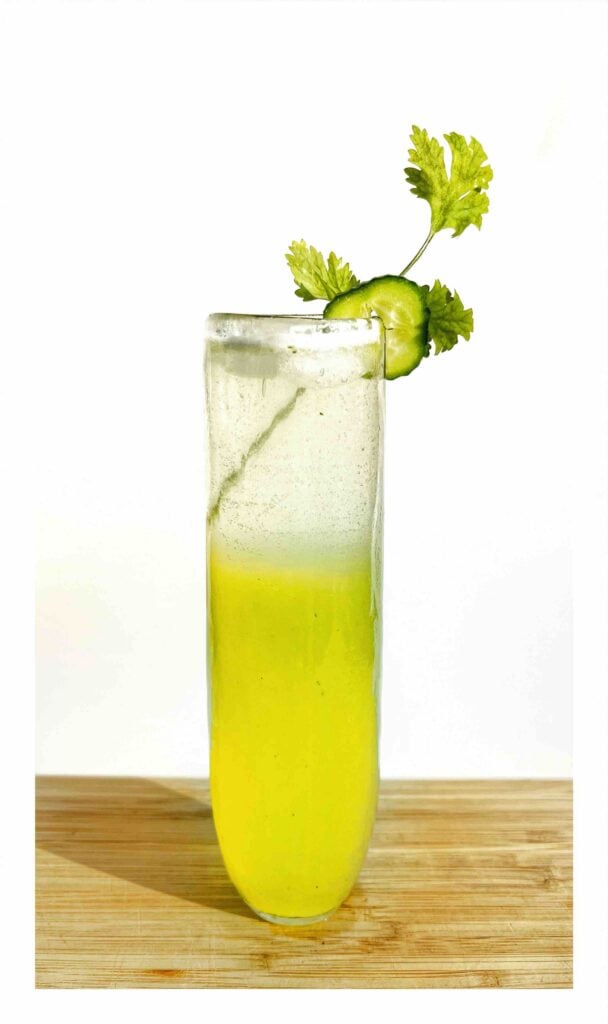
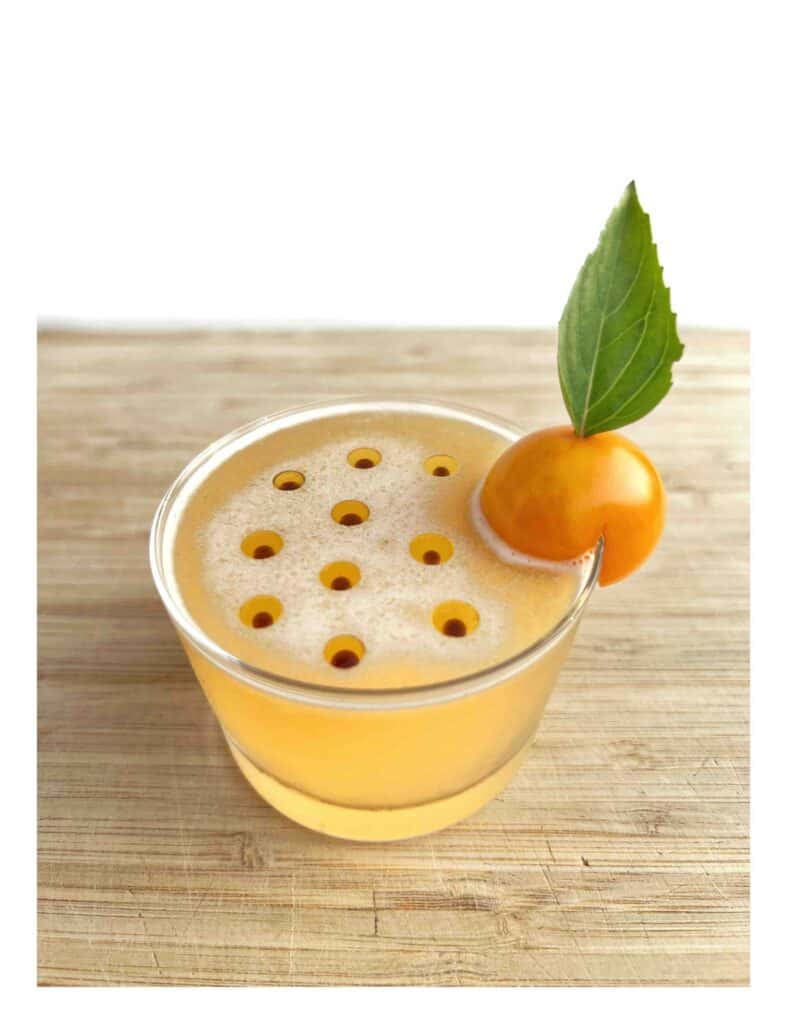
Thomas advises homeowners who want to experiment on their own to first look at their herb gardens: “Adore martinis? Add basil to your shaker. Want to elevate a classic old fashioned? A few sprigs of thyme will impart savory lemon notes. Once you’re comfortable with herbs, don’t be afraid to branch out to fruits and garden staples like blueberry, cucumber, and tomato. The whole garden has a place in your glass!” To learn more, visit mizjackthomas.com.